

When you’re planning an event, there’s always pressure to move fast. Schedules shift. Deliveries arrive early or late. Guests show up all at once. And every moving part depends on one thing being consistent in the background: your ability to communicate and stay connected.
That’s why one of the smartest steps you can take before event day is scheduling a professional site evaluation.
A site evaluation is more than a quick walk-through. Done correctly, it’s a structured assessment of the venue environment to confirm that your wireless communications, devices, and workflows will function properly before guests arrive. It also helps you make smarter decisions about equipment strategy, whether you plan to rent devices for a specific event, purchase for long-term use, or use a combination of both.
A site evaluation is where good communication becomes a reliable plan. With the right testing and setup, teams can improve coverage, reduce interference, and streamline coordination across the entire venue. RFC Wireless supports organizations across Sacramento, the Bay Area, and Northern California with proven communication and connectivity solutions designed for real-world conditions, including teams in hospitality, hospitals, data centers, education, construction, retail, and warehousing and distribution, to name a few.
This expertise is backed by best-in-class technology and deep industry experience. RFC Wireless solutions are powered by Motorola Solutions, an industry leader known for dependable, mission-critical communications. RFC Wireless is also supported by the strong legacy and operational depth of its parent company, CSE Crosscom, along with the added advantage of CSE channel partner experience across the country, including teams in Florida and Chicago. The result is a higher level of planning, support, and execution that helps teams stay connected when it matters most.
Below are the top 10 reasons a site evaluation is worth it, ranging from basic performance testing to advanced improvements in interoperability and safety.
1. Confirm Two-Way Radio Coverage Where Your Team Actually Works – One of the biggest mistakes teams make is assuming radios will work everywhere if they work in one spot.
Operations don’t happen in one spot.
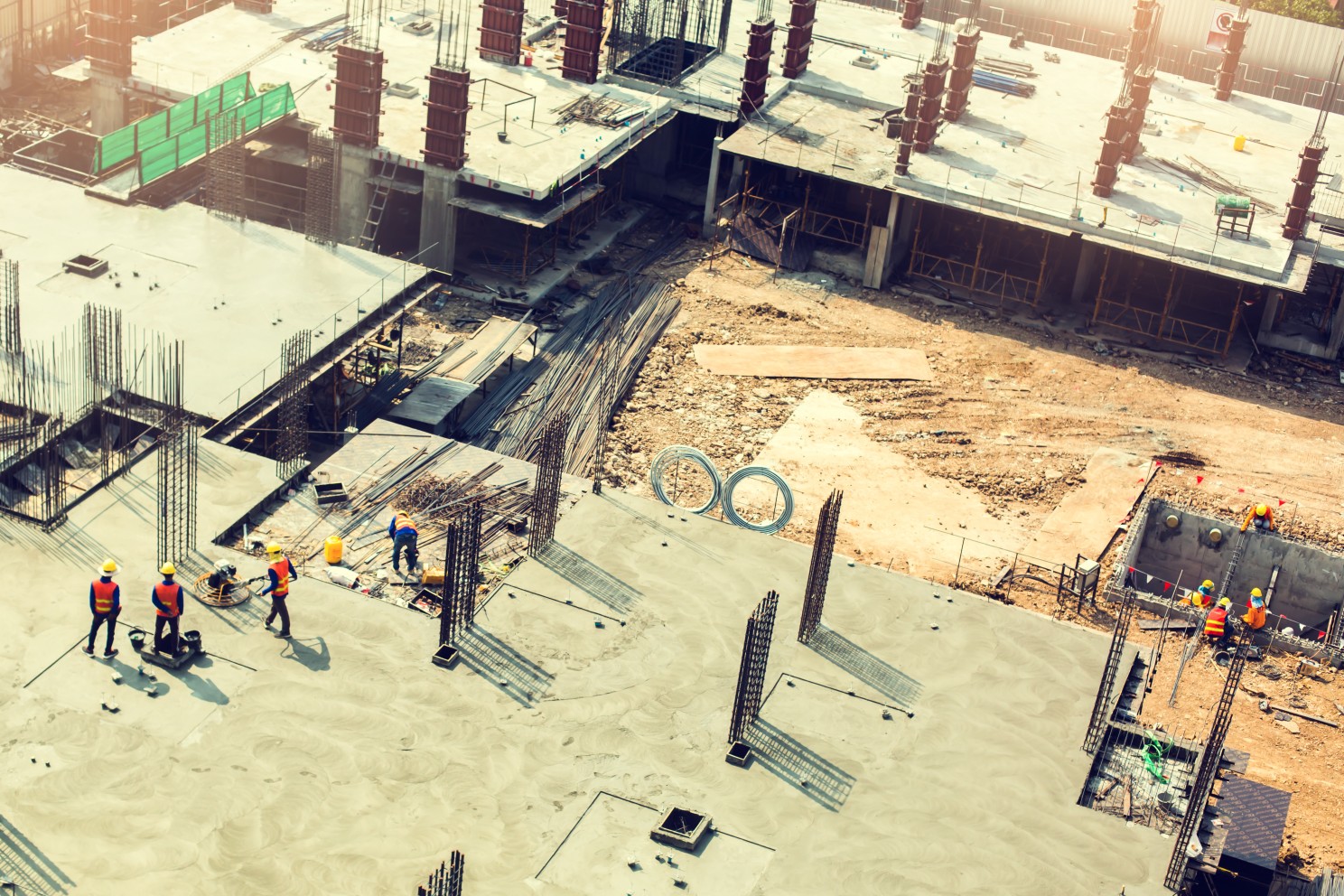
Your staff moves through loading areas, parking lots, check-in points, vendor zones, staging areas, kitchens, storage rooms, and back-of-house hallways. In hospitality environments, that could mean moving between guest-facing areas and service corridors. In retail, it can mean stockrooms, sales floors, and mall corridors. In construction, it might include multi-floor builds, exterior zones, and temporary structures. In warehousing and distribution, it can mean long aisles, high racks, and wide loading docks. In education, it may mean multiple buildings, gyms, auditoriums, and outdoor spaces. In hospitals, staff may need coverage across multiple departments, wings, and secured areas.
A site evaluation helps confirm that your two-way radios actually provide reliable communication across all essential work zones, not just the easiest areas to reach.
2. Identify Radio Dead Zones Before They Become a Day-Of Emergency – Every venue or facility has weak spots.
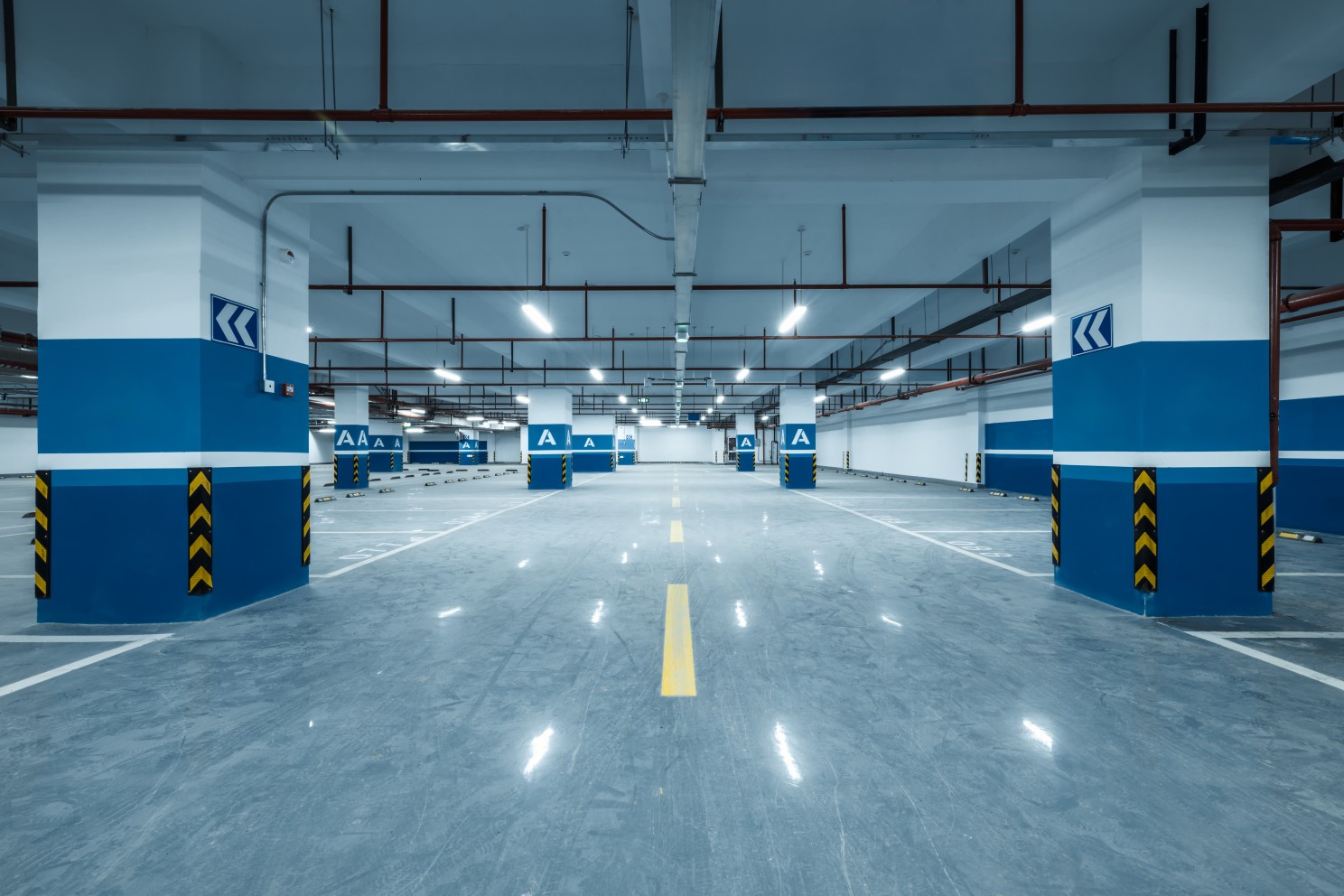
It could be a stairwell, a basement, an outdoor corner of the property, or the far end of a parking lot. Many Northern California sites include mixed indoor-outdoor layouts, and those transitions often create dead zones.
In hospitals, dead zones can create delays in response and coordination. In data centers, they can appear due to heavy infrastructure and building materials. In hospitality, signal issues can pop up in stairwells, back corridors, or behind dense construction. In construction, temporary barriers and building materials can change weekly, which means coverage can shift as the job site evolves. In warehousing and distribution, large footprints can create gaps you do not see until someone needs support quickly.
A site evaluation helps pinpoint weak areas so you can adjust staffing plans, reposition key personnel, or optimize your communication setup for dependable coverage.
3. Validate Event WiFi and Connectivity Before You Depend on It – Connectivity is no longer optional. It is infrastructure.
A site evaluation helps confirm whether your location can support key needs like guest check-in, QR code access systems, staff apps, mobile POS and credit card processing, and live streaming or on-site media uploads.
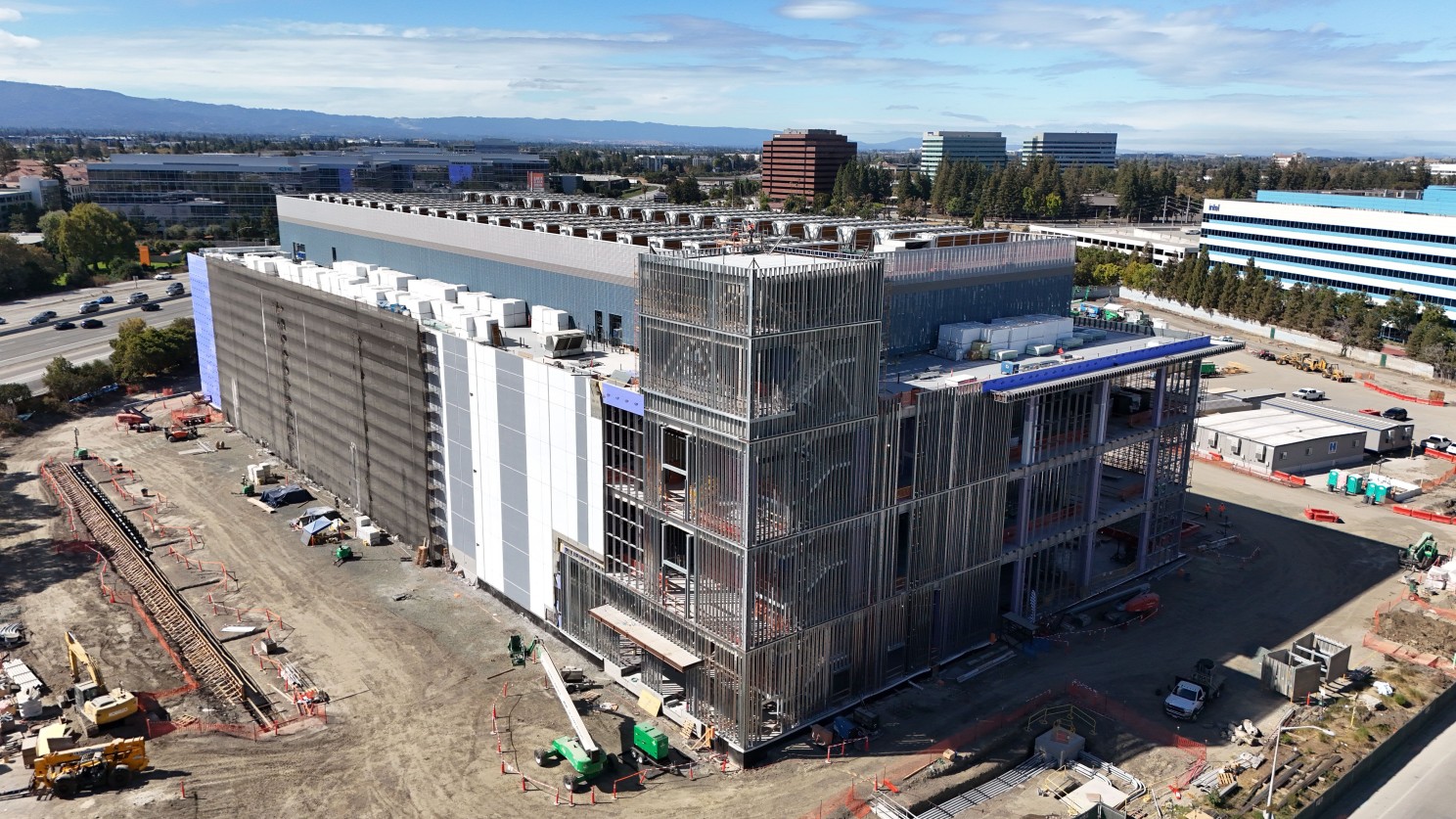
In retail, connectivity can affect inventory systems, staff apps, and customer experience. In education, reliable connectivity supports coordination between staff, security, and administrators. In warehousing and distribution, WiFi coverage can impact scanners, devices, inventory systems, and productivity. In hospitals, connectivity supports workflows and quick coordination across departments. In data centers, reliable performance supports operational continuity and support processes. In hospitality, guest-facing connectivity can impact the experience from start to finish.
Even if a site promises internet access, real-world demand reveals the truth. That’s why it matters to evaluate whether portable WiFi for events or other solutions are needed for reliable performance.

4. Reduce the Risk of Buying the Wrong Communication Equipment – For teams planning to purchase radios, WiFi gear, or accessories, a site evaluation is one of the smartest ways to avoid wasted spending.
Instead of choosing devices based only on online specs or assumptions, you can match equipment to real-world performance in the field.
This is especially important for organizations supporting multiple sites across Sacramento and the Bay Area. A school district may have different layouts campus-to-campus. A hospitality group may operate properties with different construction styles. Construction sites change over time. Retail locations vary widely in layout and back-of-house space. Warehouses vary in ceiling height and footprint. Data centers often include infrastructure that impacts signal paths. Hospitals include secured areas and complex layouts.
A site evaluation helps ensure the equipment you invest in fits how your teams operate.
5. Improve Budgeting and Avoid Over- or Under-Planning Equipment – Without a site evaluation, teams often fall into one of two traps.
They over-prepare and spend more than needed, just in case. Or they under-prepare and scramble when the venue or facility is larger or more complex than expected.
A site evaluation gives you real information so you can build an accurate plan.
It helps determine how many devices your team needs, where staff will be positioned, what accessories improve clarity, and whether certain zones require a different approach.
In hospitals, that might mean ensuring clinical teams and facilities staff can stay connected. In construction, it can support better coordination across trades and job site zones. In retail, it may help align store teams, inventory, and management. In hospitality, it can keep front desk, housekeeping, and maintenance aligned. In education, it improves coordination across administration, campus safety, and facilities. In warehousing and distribution, it supports communication across receiving, picking, packing, and shipping zones.
Accurate planning leads to fewer surprises and smoother execution.
6. Increase Efficiency With Smart Channel and Team Organization – Two-way radios work best when they are structured.
If everyone is on one channel, communication becomes cluttered fast. Messages overlap. People miss key calls. Leaders get interrupted constantly.
A site evaluation is the best time to plan a channel structure that supports the flow of the day. Depending on the size of your operation, the plan might include dedicated channels for leadership, security, front-of-house, back-of-house, maintenance, operations, and logistics.
In hospitals, smart channel structure can support faster response and better coordination. In construction, it improves clarity between supervisors and crews. In retail, it helps stores operate more smoothly during busy hours. In hospitality, it improves service response times. In warehousing and distribution, it reduces downtime and keeps teams aligned. In education, it supports communication during large events and emergencies. In data centers, it helps maintain controlled access and efficient dispatching.
Confirm Device and Accessory Compatibility Across Your Team – Not all radios, headsets, and accessories work well together, especially when multiple vendors or departments bring different equipment on-site.
A site evaluation helps confirm your full setup is compatible and practical in the field.
That includes testing accessories like earpieces for loud environments, speaker microphones for active movement, hands-free push-to-talk options, and charging strategies that make sense for long shifts and extended operating hours.
This matters everywhere, but especially in hospitals, construction, hospitality, and warehousing and distribution, where teams are constantly moving and speed matters.

8. Improve Interoperability Between Teams, Vendors, and Departments – Many locations involve multiple teams working at once.
Even smaller operations often require coordination across departments such as security, maintenance, operations, administration, and third-party vendors.
A site evaluation helps clarify where interoperability is needed so communication is not isolated within one group.
In hospitals, interoperability supports coordination between departments and facilities teams. In hospitality, that may include aligning security, front desk, and engineering. In education, it can connect administration, campus safety, and facilities. In warehousing and distribution, interoperability keeps material flow moving without delays. In construction, it helps multiple trades stay aligned and improves jobsite safety. In retail, it improves coordination across sales, inventory, and management. In data centers, it supports coordination between facility teams and authorized vendors.
When communication is designed for interoperability, teams respond faster, solve problems quicker, and reduce confusion across departments.
9. Strengthen Safety Planning and Emergency Readiness – One of the most overlooked reasons for a site evaluation is safety.
In an emergency, communication must work instantly. Whether it is a medical issue, fire alarm, weather incident, crowd surge, or access problem, teams need confidence that messages will be received clearly and quickly.
A site evaluation supports safety planning by helping map key areas such as emergency exits and routes, medical response locations, security posts and coverage zones, congestion points, and communication protocols for escalation.
This is critical for hospitals, where response time matters. It’s essential in education, where coordination protects staff and students. It’s a major factor in construction, where jobsite hazards are present daily. It matters in warehousing and distribution, where equipment movement creates risk. And it matters in data centers, where controlled access and incident response require precision. In hospitality and retail, safety planning supports staff confidence and customer experience.
10. Build Confidence With a More Professional, Reliable Operation – Site evaluations help teams stand out because they lead to better execution.
When you can confidently say you assessed the site, tested radio coverage, verified connectivity, and planned for smooth coordination, you become more than just another vendor or department. You become a trusted operational partner.
This matters in the Bay Area, where expectations are high and timelines are strict. It matters across Sacramento, where teams manage complex logistics and fast-moving operations. It matters in hospitality, where guest experience is everything. It matters in retail, where service and speed matter. It matters in education, where leadership and safety depend on reliable coordination. It matters in warehousing and distribution, where performance and accuracy depend on clear communication. It matters in construction, where safety and productivity depend on coordination. And it matters in hospitals, where every second counts.
A site evaluation helps reduce chaos, protect timelines, and keep teams aligned.
The Bottom Line: Site Evaluations Help Northern California Operations Run Better
When you’re running operations, everything feels urgent. But that is exactly why planning matters.
A site evaluation gives you time to see challenges before they become problems. It helps ensure your team can communicate clearly, work efficiently, and stay safe.
From testing coverage and validating connectivity to improving interoperability and strengthening emergency readiness, a site evaluation is one of the best investments you can make in operational success.
If you’re operating in Sacramento, the Bay Area, or anywhere in Northern California and want a dependable plan for two-way radios, event radio communication, and portable WiFi for events, RFC Wireless is ready to help. Their experience spans key industries including hospitality, hospitals, data centers, education, construction, retail, and warehousing and distribution, with solutions built for real environments and real-world demands.
Contact RFC Wireless to request a quote or explore rental and purchase options.
Contact RFC Wireless to learn more:
/rfcwireless.com/our-company/contact-us/
Learn more about our In-Building Solutions:
/rfcwireless.com/services/in-building-solutions/
Learn more about Rental Solutions:
rfcwireless.com/services/two-way-rentals/rental-solutions/