
Why the Future of Data Centers Depends on More Than Computing Power
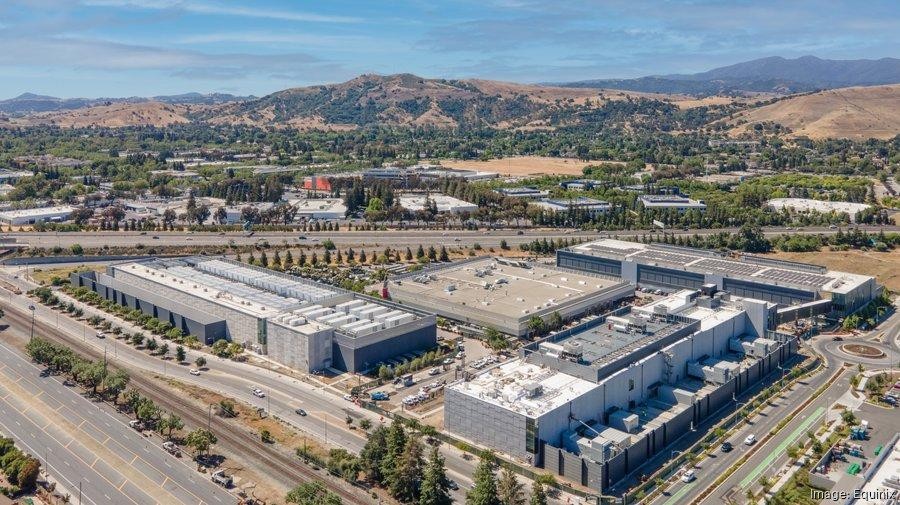
Artificial intelligence has become one of the biggest drivers of infrastructure investment in decades. Across California, new data centers are being planned, existing campuses are expanding, and organizations are investing billions of dollars to meet the growing demand for cloud computing, AI, and high-performance processing. While much of the public conversation centers on processors, power, and cooling capacity, those responsible for operating these facilities know there is another side to the story.
As data centers become larger and more complex, the challenge is no longer just keeping servers online. It is keeping people connected.
Today’s facilities depend on engineers, facilities teams, security personnel, contractors, network specialists, and operations managers working together around the clock. Every maintenance activity, vendor delivery, equipment upgrade, security incident, and scheduled inspection relies on fast, accurate communication. When information moves efficiently, operations run smoothly. When it doesn’t, even routine tasks can take longer, create unnecessary risk, or delay critical decisions.
That shift is reshaping how many organizations think about operational infrastructure. Technology remains at the heart of every data center, but increasingly, the organizations leading the industry recognize that people, processes, and communication are just as important to long-term resiliency.
The Definition of Critical Infrastructure Is Expanding
For years, conversations about critical infrastructure focused on the systems that directly supported uptime. Power redundancy, backup generators, cooling systems, and network reliability naturally received most of the attention because they represented the foundation of continuous operations.
Those systems remain essential, but many organizations are beginning to take a broader view. Operational resilience has become just as important as technical resilience.
A facility can have world-class equipment, but if maintenance teams cannot quickly coordinate a repair, if security cannot communicate across the campus, or if contractors and operations personnel struggle to share information, unnecessary delays begin to appear. Those delays may not make headlines, but they affect productivity, increase operating costs, and create avoidable risks.
One of the most interesting changes happening across the industry is that communication is no longer viewed as a convenience. It is becoming part of the operational infrastructure that keeps complex facilities running efficiently every day.
The Biggest Challenges Are Often Human, Not Technical
When people think about communication systems, they often imagine preparing for emergencies. In reality, emergencies represent only a small portion of daily activity inside a data center.
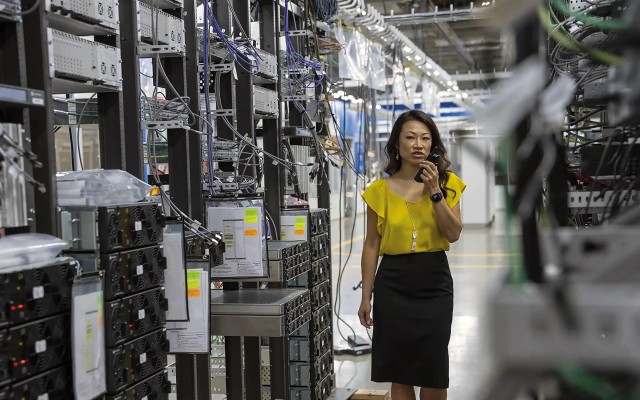
The majority of communication happens during routine operations.
Facilities teams coordinate preventive maintenance schedules. Security personnel manage visitor access and contractor activity. Engineering teams communicate during equipment upgrades and testing. Loading docks coordinate deliveries. Operations managers keep multiple departments aligned throughout the day.
These interactions may seem routine on their own, but collectively they determine how efficiently a facility operates.
After working with organizations across California, one thing we’ve consistently observed is that communication challenges rarely stem from a lack of technology. More often, they develop because facilities have grown faster than the communication strategy supporting them.
What works for a single building often strains under the demand of a multi-building campus. Teams expand. Contractors become part of everyday operations. New technologies are added over time. Before long, employees find themselves relying on a mix of radios, cell phones, text messages, email, and individual applications that were never designed to work together.
The result is not necessarily poor communication. It’s fragmented communication.
Three Misconceptions About Modern Data Center Communications
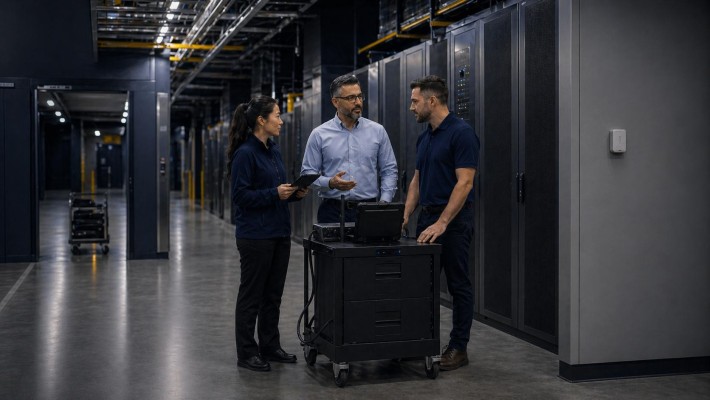
As communication technologies continue to evolve, a few misconceptions continue to surface.
The first is that reliable cellular coverage eliminates the need for dedicated operational communications. Cell phones are invaluable business tools, but they serve a different purpose. In environments where multiple teams need to receive the same information instantly, or where indoor coverage and immediate coordination are essential, organizations often discover that traditional business communications and operational communications solve different problems.
Another common misconception is that communication systems are primarily investments for emergency response. Emergency preparedness is certainly important, but the greatest return often comes from improving everyday operations. Faster maintenance coordination, better contractor management, stronger security collaboration, and more efficient facilities management can deliver measurable operational benefits every single day.
The third misconception is that communication decisions belong exclusively to the IT department. Increasingly, data center leaders are finding that communication touches nearly every operational function. Facilities, engineering, security, operations, and executive leadership all have a stake in how information moves across the organization. The most successful projects bring those perspectives together early in the planning process.
What Industry Leaders Are Talking About. Conversations inside the data center industry have changed dramatically over the past few years.
Instead of simply asking how to add capacity, many organizations are asking how to build facilities that are more resilient, more adaptable, and easier to operate over the long term.
- How do we support continued growth without adding unnecessary complexity?
- How do we improve visibility across multiple buildings and teams?
- How do we help employees spend less time chasing information and more time solving problems?
- How do we connect systems that have historically operated independently?
- These are operational questions, not technology questions.
The answers often involve bringing together communication, security, dispatch, broadband, location services, and operational workflows into a more connected strategy that supports how people actually work.
Looking Beyond Today’s Requirements
California’s technology economy continues to evolve at an extraordinary pace. Artificial intelligence, advanced manufacturing, cloud services, and digital infrastructure will continue driving investment in larger and more sophisticated facilities. At the same time, labor shortages, sustainability goals, physical security, and business continuity planning will remain priorities for operations leaders.
As these trends continue, communication will become even more important because the environments themselves are becoming more interconnected.
The organizations that succeed will not necessarily be the ones with the most technology. They will be the ones that make it easiest for people to work together, make informed decisions, and respond quickly when conditions change.
Technology powers the infrastructure. People keep it running. Communication connects the two.
The RFC Perspective
For more than four decades, RFC Wireless has helped organizations across California design communication solutions for some of the state’s most demanding operational environments. One thing we’ve learned is that successful communication strategies rarely start with equipment. They start with understanding how an organization operates, where information slows down, and how teams work together throughout the day.
Whether supporting a hyperscale data center, a technology campus, or a mission-critical facility, the objective is the same. Create communication systems that help people collaborate more effectively, improve operational visibility, and support long-term resiliency as organizations continue to grow.
Every data center is different. Operational priorities, facility layouts, staffing models, and growth plans all influence how communication should be designed.
Whether you’re planning a new facility, expanding an existing campus, evaluating communication technologies, or looking for ways to improve operational resilience, the best place to start is with a conversation.
RFC Wireless has spent decades helping organizations across California design integrated communication strategies that improve coordination, strengthen security, and support reliable, mission-critical operations.
Contact RFC Wireless to schedule a complimentary operational communications assessment and discover how the right communication strategy can support the next generation of data center infrastructure.