
Why California Organizations Are Rethinking Security, Communication, and Operational Readiness
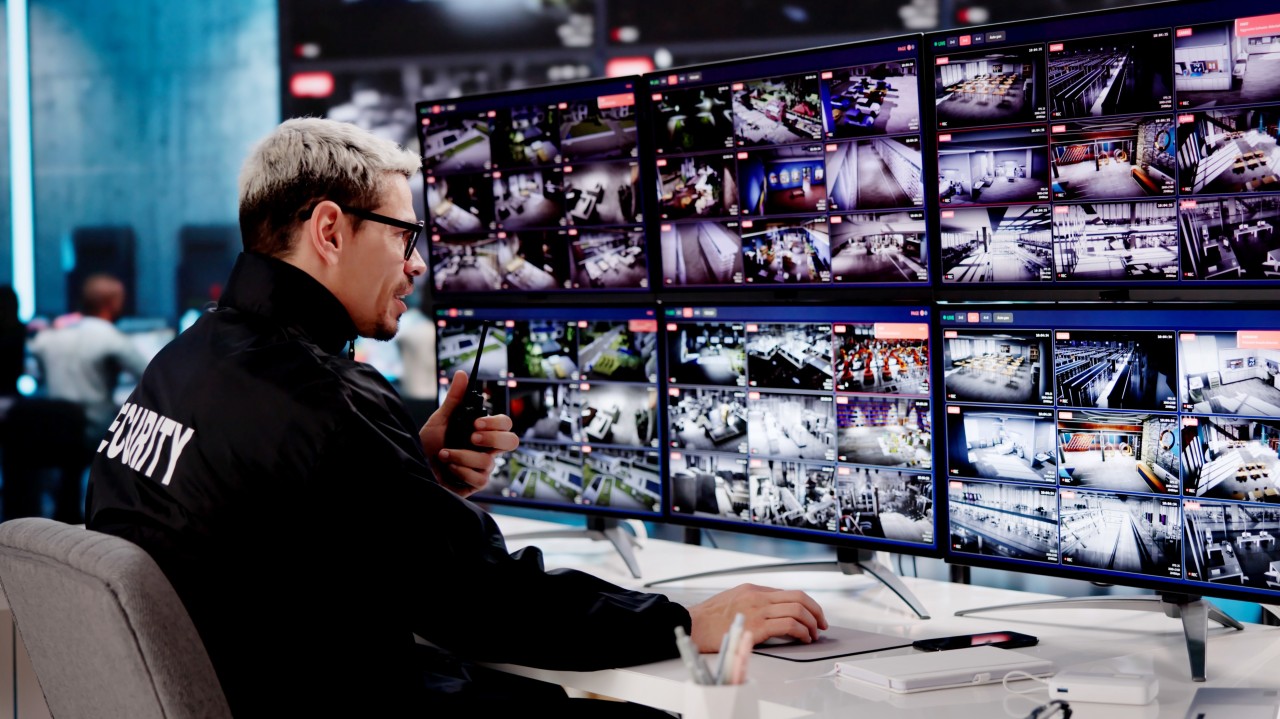
Walk into the security operations center of a large corporate campus today, and you’ll see a vastly different environment than you would have just a decade ago.
Rows of surveillance monitors are still there, but today’s security teams are also managing access control systems, visitor management platforms, emergency notification tools, analytics dashboards, mobile workforces, and communications that connect employees across multiple buildings and locations. Their role has expanded well beyond responding to incidents. Increasingly, corporate security has become an operational function that helps organizations maintain business continuity, protect employees, support executive leadership, and create safer workplaces.

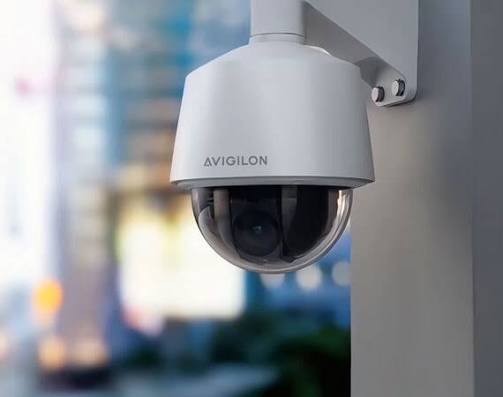
That evolution is changing the way organizations think about security technology. While cameras, access control, and monitoring systems remain essential, many security leaders are discovering that the real advantage comes from how well those systems work together. The faster information moves between people, departments, and technologies, the faster organizations can assess situations, make informed decisions, and respond with confidence.
Communication has become one of the threads that tie everything together.

The Role of Corporate Security Has Expanded
The responsibilities of today’s corporate security teams look very different from what they did even five years ago.
In addition to protecting facilities, security professionals are often responsible for employee safety initiatives, workplace violence preparedness, executive protection, emergency planning, visitor management, and coordinating with local law enforcement and first responders. On large campuses, they may also work closely with facilities teams, IT departments, human resources, and executive leadership to support day-to-day operations.
As organizations continue to grow, these responsibilities become more complex. Multiple buildings, hybrid work schedules, third-party contractors, delivery services, and expanding campuses all create more moving parts that require coordination.
Technology certainly helps manage that complexity, but technology alone doesn’t solve it.
What often determines the success of a response is how quickly the right people receive the right information.

Security Is Becoming More Connected
One of the biggest shifts happening across the industry is the move away from standalone security systems.
Organizations no longer want surveillance operating independently from access control. They don’t want communications separated from dispatch. They want systems that provide a clearer picture of what’s happening across their facilities so security personnel can spend less time gathering information and more time making decisions.
Imagine a security officer responding to a door alarm. Instead of checking multiple systems, they can quickly verify video, communicate with nearby personnel, pinpoint exactly where the incident is occurring, and coordinate an appropriate response. Technology itself isn’t the advantage. The advantage is giving people the information they need without forcing them to search for it.
The same principle applies every day, whether managing deliveries, supporting employees after hours, assisting facilities teams, or responding to medical emergencies.
Three Misconceptions About Modern Corporate Security
As organizations evaluate their security strategies, a few common misconceptions continue to surface.
The first is that adding more technology automatically creates a safer environment.
In reality, organizations often have plenty of technology. The challenge is that those systems don’t always communicate with one another. Security becomes more effective when cameras, access control, communications, dispatch, and operational procedures work together as part of a coordinated strategy rather than as individual solutions.
Another misconception is that communication is only important during emergencies.
While emergency preparedness is critical, most security activity happens during normal business operations. Officers answer employee questions, manage visitors, coordinate deliveries, assist facilities teams, investigate minor incidents, and communicate with departments throughout the day. Those everyday interactions build the operational awareness that becomes invaluable during more significant events.
Finally, many organizations still view security as a department that reacts to problems.
Increasingly, leading organizations view security as a proactive business partner. Security teams contribute to workplace safety, operational planning, risk management, and business continuity. Their ability to communicate quickly across the organization allows them to support far more than incident response.
What Security Leaders Are Thinking About
Conversations with corporate security professionals have shifted noticeably in recent years.
They’re asking how to improve situational awareness across larger campuses. They’re looking for ways to reduce response times without increasing staffing. They’re evaluating how artificial intelligence, analytics, and automation can support better decision-making. They’re also working more closely with facilities, IT, and executive leadership than ever before.
Most importantly, they’re asking how to simplify operations.
Security professionals don’t want another screen to monitor or another application to manage. They want technology that helps them understand what’s happening faster, coordinate more effectively, and make informed decisions with confidence.
That is driving greater interest in integrated approaches that connect communications, video, access control, dispatch, and location services into a single operational strategy.
Preparing for What’s Next
California’s business landscape continues to evolve. Corporate campuses are expanding, hybrid work has changed how facilities are used, and organizations face increasing expectations for employee safety, physical security, and business continuity.
As these challenges grow, communication will play an even larger role in helping organizations respond effectively. The goal isn’t simply to communicate faster.
It’s to create an environment where information flows naturally between people, departments, and technologies so organizations can adapt quickly when conditions change.
The companies that invest in that kind of operational readiness won’t just improve security. They’ll improve resilience across the entire organization.
The RFC Perspective
For decades, RFC Wireless has partnered with organizations across California to design communication solutions for corporate campuses, technology companies, healthcare facilities, transportation organizations, and other mission-critical environments.
One thing we’ve learned is that the strongest security strategies rarely begin with technology alone. They begin with understanding how people move through a facility, how departments work together, and where information slows down during everyday operations.
When communication becomes part of a broader operational strategy, organizations gain more than faster responses. They gain better visibility, stronger coordination, and greater confidence in the decisions they make every day.
Every organization faces unique security challenges based on its facilities, workforce, and operational priorities.
Whether you’re evaluating your current communication systems, planning a campus expansion, or looking for ways to improve coordination between security, facilities, and operations, RFC Wireless can help.
For more than 40 years, RFC Wireless has helped organizations across California design integrated communication strategies that strengthen security, improve operational visibility, and support business continuity.
Contact RFC Wireless to schedule a complimentary operational communications assessment and discover how connected communications can help create a safer, smarter, and more resilient organization.
Please click here to contact RFC Wireless for more information.