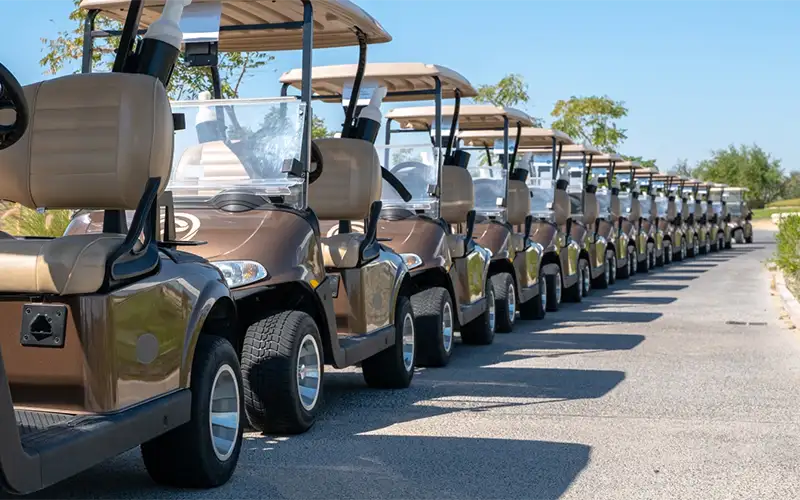
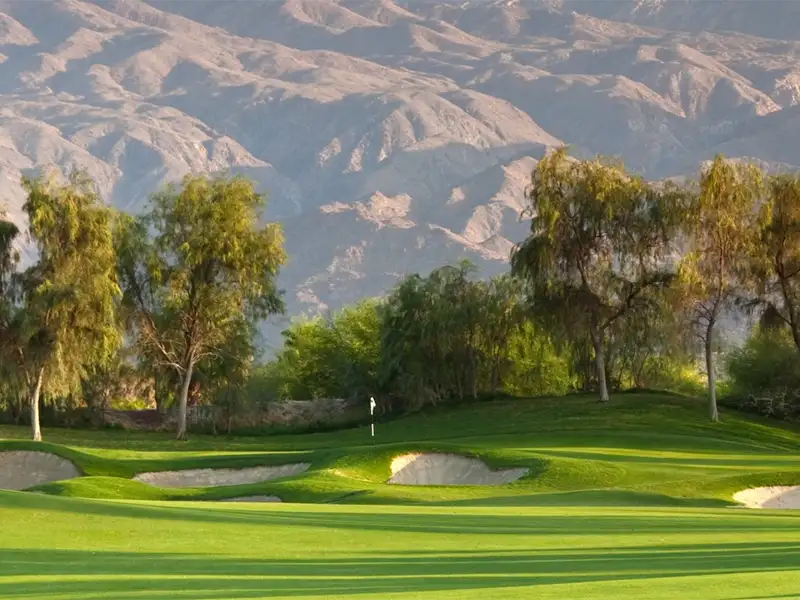
From coastal clubs to desert resorts, California golf operations depend on communication that reaches every corner of the property.
Golf courses are not simple facilities. They are large, active environments where hospitality, education, maintenance, security, events, and guest services must all operate in real time.
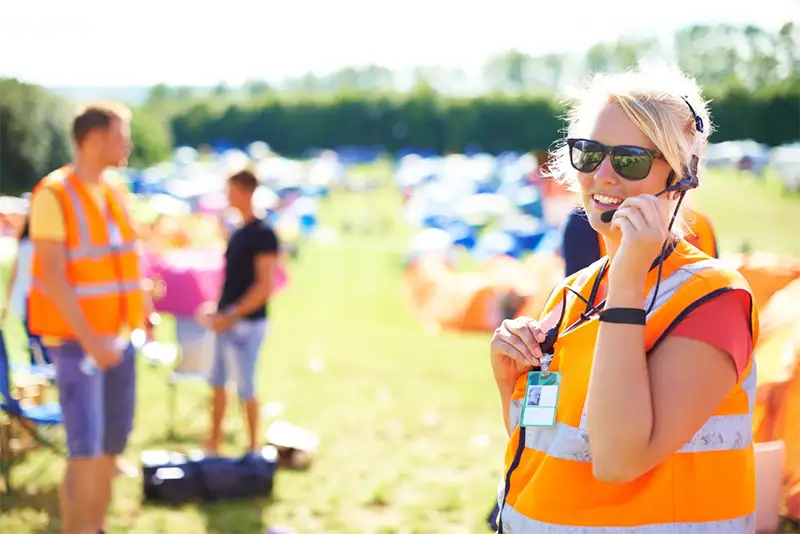
That is especially true across California, where golf properties can look very different from one region to the next. A coastal course in San Diego or Orange County may face marine air, elevation changes, and heavy guest traffic. A desert resort course in Palm Springs may operate across wide-open acreage with heat, distance, and seasonal event demand. A private club in Northern California may have tree-lined fairways, rolling terrain, and remote maintenance areas. A school, university, or municipal course may need to coordinate students, staff, guests, and public safety across a shared campus environment.
In all those settings, communication is not just about convenience. It is part of how the club runs.
Why Golf Course Communication Is Different
Unlike a hotel, school, or office building, a golf course spreads operations across acres of outdoor space. Staff may be working in the clubhouse, pro shop, kitchen, cart barn, maintenance facility, driving range, parking lots, event lawns, and all eighteen holes.
That creates a unique challenge.
A guest may need assistance near the clubhouse while a marshal manages the pace of play on the back nine. Grounds crews may be repairing irrigation while food-and-beverage teams set up for a tournament or wedding. Security may need to respond to a parking issue while management coordinates with the pro shop, starter, and cart staff.
Cell phones can help, but they are not always fast enough. Wi-Fi may work inside the clubhouse, but it loses effectiveness across the course. Basic radios may not provide the clarity, range, or features required for a modern golf operation.
Golf courses need communication systems built for mobility, distance, departmental needs, and fast response.
The Top 5 Communication Challenges for Golf Courses and Clubs
When communication breaks down, the impact is felt quickly:
- Delayed Guest Service: Members, guests, students, and event attendees expect a smooth experience. When staff cannot quickly reach the right person, service slows down.
- Maintenance Gaps Across the Course: Grounds teams need to coordinate mowing, irrigation, repairs, equipment, weather response, and safety issues across large outdoor areas.
- Event Coordination Problems: Tournaments, banquets, weddings, fundraisers, and school events require multiple teams to communicate at once without confusion.
- Safety and Emergency Response Delays: Medical incidents, weather changes, unauthorized access, cart accidents, or facility issues require instant communication across the property.
- Lost Productivity: When employees must drive back to the clubhouse, repeatedly call, or search for a supervisor, valuable time is lost.
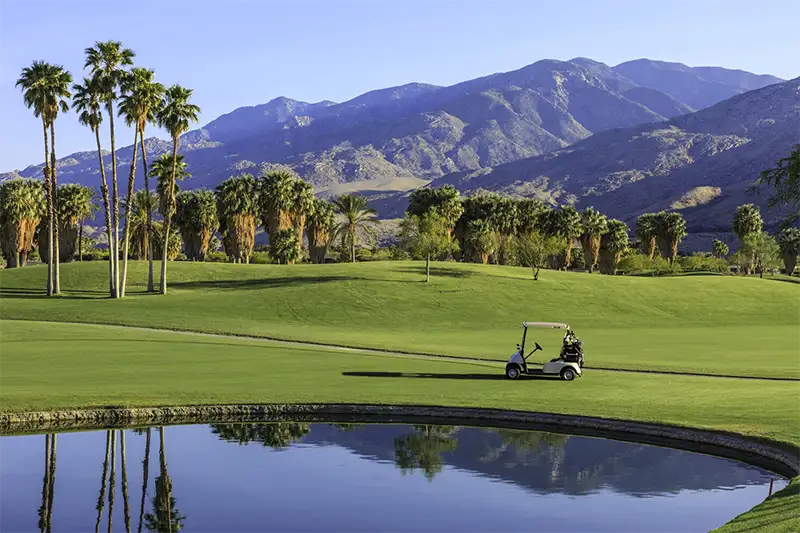
For California golf courses, where properties may span coastal hills, desert terrain, wooded areas, or campus-style layouts, these communication gaps can become even more noticeable.
What Golf Courses Should Look for in a Communication System
The right system should be designed around the way the property operates.
For many courses and clubs, it starts with a professional MOTOTRBO radio system. MOTOTRBO gives teams reliable digital two-way radio communication for day-to-day operations, including golf staff, maintenance crews, security, food and beverage, and management.
For outdoor crews and maintenance teams, the Motorola R7 is a strong fit where durability, audio clarity, and dependable performance matter. Grounds teams working around mowers, blowers, carts, pumps, and outdoor equipment need radios that can cut through noise and keep communication clear.
For hospitality teams, clubhouse staff, events, and front-of-house roles, the SL3500 is a better fit when the device needs to be slim, professional, and discreet. It allows staff to stay connected without carrying a bulky radio in guest-facing environments.
For managers, dispatchers, and operations teams that need more control, SmartPTT can add dispatch, GPS visibility, call management, work coordination, and a more complete view of what is happening across the property.
For teams that move beyond the course or need cellular-based push-to-talk, WAVE can extend communication to smartphones and broadband devices. This can be helpful for executives, off-site managers, multi-property teams, shuttle drivers, or staff who need to stay connected beyond the reach of traditional radio coverage.
Together, these tools can help a golf operation build a system that fits the property rather than forcing every department to use the same device in the same way.
Matching the Right Product to the Right Team
A golf course communication system should not be one-size-fits-all.
The maintenance crew on a California desert course may need rugged radios that perform in heat, dust, distance, and outdoor noise. The clubhouse team at a coastal private club may need lightweight devices that support service without disrupting the member experience. A university golf facility may need communication between golf operations, campus safety, food service, and facilities. A resort course may need to connect staff across lodging, transportation, events, security, and golf operations.
That is where system design matters. The R7 may be the right choice for crews that need strong audio and rugged performance. The SL3500 may be the right choice for front-of-house and hospitality teams. SmartPTT may support dispatch, tracking, and operational oversight. WAVE may help extend push-to-talk communication to users who rely on cellular coverage or need to communicate across multiple locations.
The goal is not just to buy radios. The goal is to build a communication system that supports how the club operates.
Why Coverage Matters from the Clubhouse to the Back Nine
Coverage is one of the most important factors for any golf course, especially in California, where properties can vary dramatically by geography.
A course near the coast may have elevation changes and dense structures around the clubhouse. A course in the hills may have valleys, trees, and terrain that block signals. A desert resort may require coverage over wide-open areas and across multiple buildings. A school or municipal course may need to connect golf operations with larger campus or public facility teams.
A properly designed system looks at the entire property: the clubhouse, pro shop, maintenance yard, driving range, parking lots, event areas, cart paths, remote holes, and emergency response points.
It also considers how departments communicate. The pro shop may need to reach the starter and marshal. Maintenance may need its own channel. Events may need a separate talkgroup. Security and management may need the ability to monitor or respond across departments.
With the right MOTOTRBO system design, plus tools like SmartPTT and WAVE where appropriate, courses can create a communication environment that is clear, organized, and scalable.
Better Communication Creates a Better Golf Experience
Golf is built around timing, service, and details.
A guest should not wait while the staff tries to locate someone. A tournament should not slow down because the cart team, starter, and event staff are not connected. A maintenance issue should not escalate because the right crew could not be reached. A safety concern should not depend on whether someone has cell service.
When communication works, the entire property feels more professional.
Staff respond faster. Managers have better visibility. Maintenance teams coordinate more efficiently. Events run more smoothly. Guests and members receive better service.
In educational and hospitality environments, that matters even more. A school, college, resort, private club, or municipal course must support many different users at once. Reliable communication helps keep that experience organized, safe, and consistent.
FCC Licensing and System Support Matter. Professional radio systems also require the right planning.
Frequency coordination, FCC licensing, system programming, repeater placement, coverage testing, and long-term support all affect system performance. A golf course may have excellent equipment, but if the system is not designed for the property, teams may still run into dead zones, interference, or communication gaps.
That is why courses, clubs, and resorts should work with a communication partner that understands both radio technology and real-world operations.
The right partner can help determine where MOTOTRBO radios are needed, where R7 or SL3500 devices make sense, whether SmartPTT should be added for dispatch and GPS visibility, and whether WAVE can extend communication for mobile or off-site users.
A Stronger Communication Foundation for California Golf Operations
For California golf courses, country clubs, resorts, schools, and municipal facilities, communication is part of the guest experience.
It affects safety, maintenance, service, events, productivity, and day-to-day coordination. It helps teams respond faster and gives managers more confidence that staff can communicate clearly across the entire property.