
Late summer has a way of moving quickly.
One week, teams are catching their breath. Next, schools are back in session, warehouses are preparing for heavier volume, construction schedules are tightening, events are ramping up, and facility teams are managing a busier daily pace.
For many California businesses and organizations, fall brings more people on site, more moving parts, and more pressure to keep everyone coordinated.
That is why August and September are a smart time to review how teams communicate before the busy season is fully underway.
Reliable communication helps the day run smoother. It gives administrators, facilities teams, security personnel, drivers, supervisors, maintenance staff, and field employees a faster way to connect when something needs attention. It also gives managers more confidence that the right people can be reached across buildings, campuses, job sites, vehicles, and service areas.
Fall readiness is not only about staffing, inventory, schedules, or event calendars. It is also about making sure the people responsible for keeping the day moving have the right communication tools in place.

RFC Wireless helps businesses, schools, and organizations across California evaluate, design, upgrade, and support communication systems that fit the way their teams work. From Motorola Solutions two-way radios and MOTOTRBO systems to WAVE PTX, dispatch, GPS, DAS, mobile broadband, rentals, service, and repair, RFC Wireless can help customers prepare for a safer, smoother, and more connected season
Why Fall Readiness Matters
Every industry has its own version of a busy season.
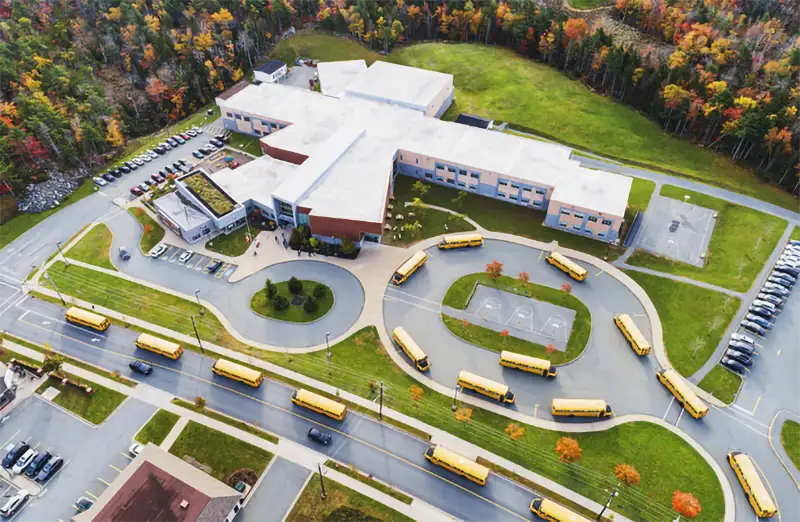
For schools, fall means students, staff, buses, campus traffic, events, athletics, safety planning and daily coordination among administrators, security, facilities and transportation teams. For warehouses and distribution centers, it may mean more inventory movement, seasonal staff, tighter delivery schedules, and heavier activity around docks and yards. For construction teams, it may mean project milestones, inspections, deliveries, subcontractor coordination, and the push to keep work moving before seasonal slowdowns.
Hospitality properties, clubs, event venues, healthcare facilities, technology campuses, public services, and utilities all face the same challenge in their own way. More activity means more communication.
When teams can reach each other clearly, they can respond faster and work with fewer interruptions. A small delay may not seem like much in the moment, but during a busy day, those delays can build quickly. A strong communication system helps reduce that friction.
The value of a late summer review is simple. It gives teams time to adjust before the rush. It helps identify what is working, what needs attention, and what should be improved while there is still time to plan.
A good starting question is this: Will our communication system support the way we need to operate this fall?
1. Review Radio Coverage Across the Facility, Campus, or Job Site

Coverage is one of the first things to check before the season gets busy.
A communication system needs to work where people spend their day. That may include classrooms, parking lots, athletic fields, warehouses, loading docks, stairwells, maintenance rooms, security offices, construction zones, basements, mechanical areas, back-of-house spaces, service corridors and outdoor property lines.
Coverage can also change over time. Buildings are renovated. Departments move. Warehouses are reconfigured. Construction sites expand. New materials, equipment, walls, glass, concrete, or steel can all affect signal performance.
Sometimes the issue is obvious. A team knows there is a weak spot in a stairwell, warehouse corner, or back parking area. Other times, the problem only shows up during busy moments when more people are relying on the system at once.
A site evaluation can help identify where communication is strong and where additional support may be needed. Depending on the environment, that may involve reviewing radio coverage, repeater placement, in-building signal enhancement, DAS, BDAs, or other infrastructure options.
For schools, healthcare facilities, commercial properties, technology campuses, and public-facing facilities, coverage is about more than convenience. It supports safety, response time, and operational confidence.
RFC Wireless can help evaluate coverage needs and recommend practical improvements based on the property, building materials, team structure, and communication goals.
2. Check Radios, Batteries, and Accessories Before They Are Needed Most
Radios are work tools. They get used every day, passed between shifts, clipped onto belts, carried across job sites, used in warehouses, dropped into chargers, and relied on during busy moments.
Before fall activity picks up, it is worth taking a close look at the condition of the equipment.
Are batteries lasting through a full shift? Are chargers working properly? Are microphones, earpieces, and headsets still clear and comfortable? Are older radios performing consistently? Do employees have the right accessories for their work environment?
These details matter. A weak battery, worn accessory, or unreliable device can slow down a team at exactly the wrong time.
For schools, this may mean checking radios before students return. For warehouses, it may mean preparing for peak shipping activity. For construction companies, it may mean making sure crews, supervisors, and safety teams are equipped before the next phase of work. For facility teams, it may mean confirming that radios and accessories are ready for heavier daily use.
A fleet review can help identify which devices are still performing well, which accessories should be replaced, and which radios may be ready for an upgrade.
RFC Wireless can help customers review current equipment, evaluate Motorola Solutions MOTOTRBO options, and plan upgrades in a way that makes sense for both operations and budget.
3. Update Talk Groups, Channels, and Emergency Communication Plans
A communication system should reflect how the team works today, not how it worked several years ago.
Before the fall rush, it is helpful to review talk groups, channels, user assignments, and emergency procedures. Teams change. Departments grow. New buildings open. Seasonal employees come on board. Transportation routes shift. Construction phases progress. Security needs evolve.
If radio programming has not been reviewed recently, the system may not be as efficient as it could be.
A school may need separate groups for administration, security, facilities, transportation, athletics, and event support. A warehouse may need channels for receiving, shipping, inventory, supervisors, yard teams, and safety response. A hospitality property may need communication groups for guest services, engineering, housekeeping, events, and security. A construction company may need groups organized by crew, trade, project phase, or site leadership.
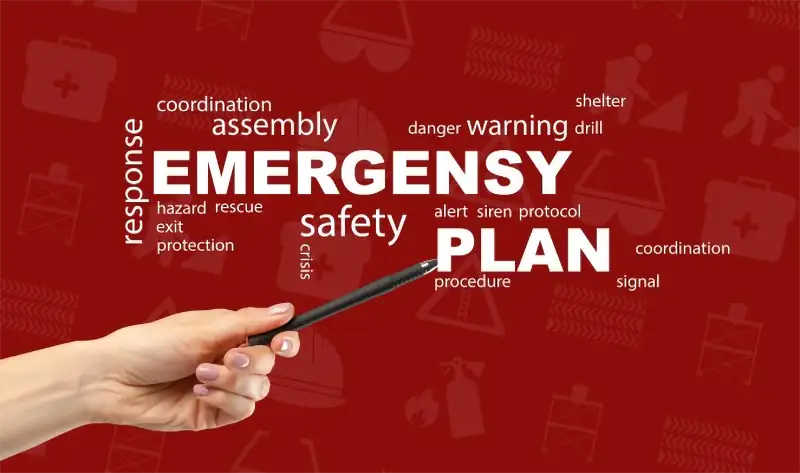
Emergency communication planning should also be part of the review. Staff should know which channel to use, who to contact, and how communication will flow in an urgent situation. The right people need to be able to reach each other quickly and clearly.
RFC Wireless can support customers with programming, system design, emergency communication planning, and ongoing service, so communication is organized, practical, and easier for teams to use when the day gets busy.
4. Consider WAVE PTX for Mobile Teams and Multiple Locations
Not every employee stays inside one building or within one radio coverage area.
Many California businesses have people moving between offices, campuses, job sites, customer locations, parking areas, warehouses, service routes, or vehicles. In those situations, traditional radio coverage may be only part of the answer.
WAVE PTX can help extend push-to-talk communication across broader areas using compatible TLK radios, mobile app access, and dispatch tools. It can be especially helpful for managers, mobile employees, field teams, transportation staff, security supervisors, and organizations with multiple locations.
A school district may need to connect transportation, administrators, and facilities staff across multiple campuses. A transportation operation may need to reach drivers across routes. A technology company may need to support security, facilities, and shuttle teams across several buildings. A construction firm may need to stay connected across more than one active project site.
For many teams, WAVE PTX is not about replacing radios. It is about extending communication to the people who are not always in the same place.
RFC Wireless can help determine where WAVE PTX fits within a larger communication strategy and how it can work alongside existing or new radio systems.
5. Review Dispatch, GPS, and Visibility Needs
As operations get busier, managers often need more than voice communication. They also need visibility.
Dispatch, GPS, and application integration can help teams coordinate people, vehicles, and resources more effectively. This can be especially useful for transportation teams, field service groups, security departments, facilities teams, delivery operations, public services, and large campuses.
When managers know where people or vehicles are located, they can make faster decisions. They can redirect resources, respond to service needs, improve route coordination, and support teams more efficiently throughout the day.
A warehouse may need better coordination between dock teams and yard personnel. A school district may need stronger communication with transportation staff. A security team may need more visibility across a large property. A service organization may need to coordinate employees moving between customer locations.
The right dispatch and GPS tools should make the work easier, not more complicated. When designed well, they give managers a clearer picture of what is happening and help teams respond with more confidence.
RFC Wireless can help organizations evaluate dispatch, GPS, and app integration options that support the way their teams work.
6. Strengthen DAS and In-Building Signal Coverage

Large and complex buildings can create communication challenges, especially when more people are on site and teams are moving throughout the property.
Concrete, steel, underground areas, stairwells, mechanical rooms, long corridors, and certain types of glass can all affect signal performance. A system may work well in one area and need additional support in another.
DAS, BDAs and in-building signal enhancement solutions can help strengthen coverage in areas where communication is important to safety, operations and emergency response.
This is especially relevant for hospitals, schools, universities, high-rise buildings, manufacturing facilities, warehouses, public venues, secure facilities, mixed-use properties and technology campuses.
Before fall activity increases, known coverage concerns should be reviewed. If there are areas where radio, cellular , or public safety signals are inconsistent, a site evaluation can help determine the next step.
Sometimes the answer is equipment. Sometimes it is infrastructure. Sometimes it is building materials, system design, or how teams use the system. Often, it is a combination.
RFC Wireless can help identify coverage needs, review in-building signal challenges, and recommend the right path forward for stronger connectivity.
7. Plan for Rentals, Service, and Phased Upgrades
Not every communication need requires a full purchase right away. Sometimes the smartest plan is a flexible one.
Two-way radio rentals can be a strong option for seasonal staffing, temporary projects, events, construction phases, overflow operations, testing, emergency replacement needs, or short-term communication demands. Rentals allow organizations to scale communication when activity increases without committing to a larger fleet before the long-term need is clear.
Service and repair are also important parts of fall readiness. A communication system should be checked and supported before teams rely on it at full speed. Reviewing equipment, repairing devices, replacing accessories, and confirming programming can help prevent avoidable issues during busier periods.
For organizations that do need upgrades, a phased approach may make the most sense. RFC Wireless can help prioritize the most important needs first, such as critical radios, batteries, accessories, coverage improvements, dispatch tools, WAVE PTX, or in-building solutions. Then the system can grow over time as budget and operational priorities allow.
This type of planning gives organizations more control. It helps them prepare for immediate needs while still building toward a stronger long-term communication system.
Why It Pays to Review Communication Before the Rush
The best time to address a communication gap is before the busiest days arrive.
Once the school year begins, the warehouse runs at full capacity, the construction schedule tightens, or the event calendar fills up, it becomes harder to step back and evaluate the system. Late summer gives teams a practical window to review, adjust, and prepare.
A communication review can help answer important questions. Does coverage reach the areas where people work? Are radios, batteries, and accessories ready for heavier use? Do channels and talk groups still match the team? Can mobile employees stay connected outside the main facility? Would WAVE PTX, dispatch, or GPS improve coordination? Are there in-building signal issues that should be addressed? Would rentals help support temporary or seasonal needs? Should upgrades be phased now to support future growth?
These questions help leaders make better decisions with fewer surprises.
RFC Wireless Can Help California Organizations Prepare Smarter
Communication needs are different for every organization. That is why the best solution starts with understanding the environment, the users, and the goals.
A school campus in Sacramento may need a different plan than a Bay Area warehouse, a Silicon Valley technology company, a healthcare facility, a construction site, a hospitality property, or a transportation operation. Building materials, geography, staffing, safety procedures, coverage needs, mobility, and growth plans all affect the right solution.
RFC Wireless brings local California expertise, Motorola Solutions product knowledge, and a broad portfolio of communication solutions to help organizations prepare for what is next. As part of CSE CROSSCOM, RFC Wireless also brings the added strength and resources of a broader organization focused onvoice, video, and data solutions..
Whether the need is a radio fleet review, MOTOTRBO upgrade, WAVE PTX deployment, DAS evaluation, dispatch solution, rental program, equipment repair, or long-term communication plan, RFC Wireless can help build a solution that fits.
Fall Readiness Starts with Connected Teams
Peak season does not have to feel reactive.
When communication systems are reviewed before the rush, teams can start the season with more confidence. Staff know how to reach the right people. Managers have better visibility. Facilities teams can respond faster. Security teams can coordinate more clearly. Drivers, supervisors, and field employees can stay connected across locations.
That kind of preparation supports safety, productivity, service, and daily operations.
For California businesses and organizations, fall readiness is not just about what needs to happen on the schedule. It is also about making sure the people responsible for that schedule can communicate clearly when the day gets busy.
A strong communication system helps make that possible.
Ready to Prepare Your Communication System for Fall?
RFC Wireless helps California organizations design, upgrade, and support communication systems built around real operational needs.
Whether your team needs Motorola Solutions two-way radios, MOTOTRBO R Series upgrades, WAVE PTX, wide-area communication, DAS, dispatch, GPS, mobile broadband, radio rentals, service, repair, or a complete system assessment, RFC Wireless can help you prepare for a safer, smoother, and more connected season.
Contact RFC Wireless to schedule a communication system review, request a quote, or learn more about communication solutions for California facilities, campuses, fleets and job sites.
Call RFC Wireless @ (510) 462-2500, or click here to visit our Contact Us page.